Kendo: More Than a Sport, A Path of Self-Development
The sharp crack of bamboo echoes through the Dojo. The rhythmic feet stomps punctuates the air. Shouts of “Men!”, “Kote!”, and “Do!” resonate with focused energy. This isn’t a scene from a historical movie; it’s a glimpse into the dynamic and rewarding world of Kendo – “The Way of the Sword.” For those unfamiliar, the practice of Kendo is deeply rooted in samurai tradition, bringing to mind scenes of historical fights. While its roots are firmly planted in the martial traditions of feudal Japan, Kendo today is a vibrant and accessible modern martial art and sport practiced by people of all ages and backgrounds across the globe. Particularly in Japan, it’s often taught as a unit in middle and high school. Kendo is also often practiced by a lot of police officers as well as the emperor’s guard. It’s more than just hitting an opponent with a bamboo sword; it’s a journey of self-discipline, physical conditioning, and profound personal growth.
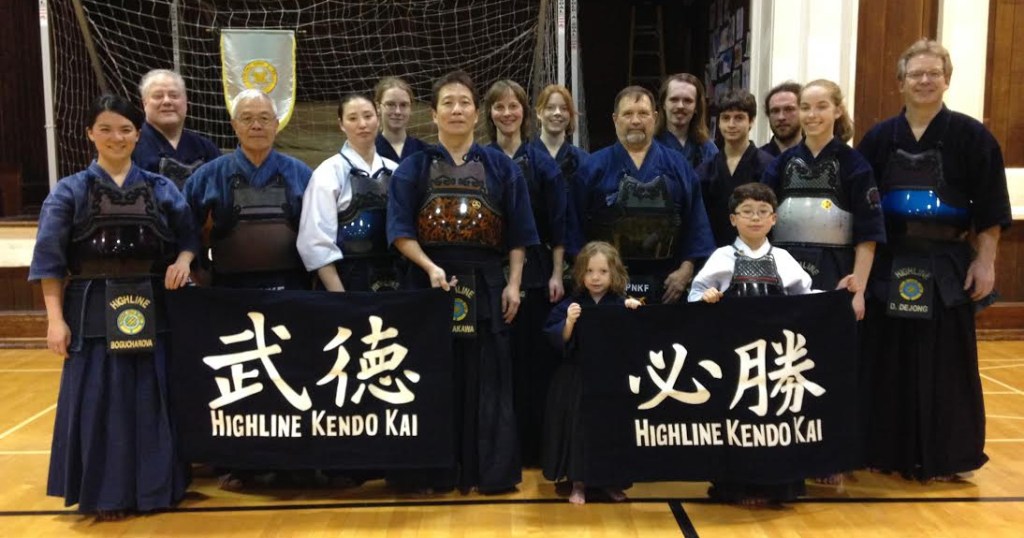
Introduction to Kendo
At its core, Kendo involves two practitioners clad in protective armor (bogu) striking designated target areas on each other’s bodies with a bamboo sword (shinai). Points are awarded for clean, spirited strikes delivered with proper technique and accompanied by a powerful “kiai” (spirit shout). Kendo is a holistic discipline that emphasizes:
- Physical Conditioning: Kendo demands a high level of fitness. The constant footwork (ashi-sabaki), powerful strikes, and the weight of the bogu build strength, stamina, agility, and coordination.
- Mental Discipline: Focus and concentration are paramount. Kendoka learn to quiet their minds, anticipate their opponent’s movements, and execute techniques with precision and intent. The emphasis on etiquette (reigi) and respect for training partners and instructors fosters a strong sense of discipline.
- Spiritual Development: The pursuit of “ki-ken-tai-ichi” – the unity of spirit, sword, and body – is central to Kendo. It encourages practitioners to develop inner strength, courage, and a sense of unwavering focus. Through rigorous training and self-reflection, Kendo can be a path towards personal growth and self-discovery.
- Respect and Etiquette: Kendo’s foundation is a place of respect. Bowing, proper conduct, and gratitude towards training partners and instructors are integral parts of the Kendo experience. This fosters a supportive and respectful learning environment.

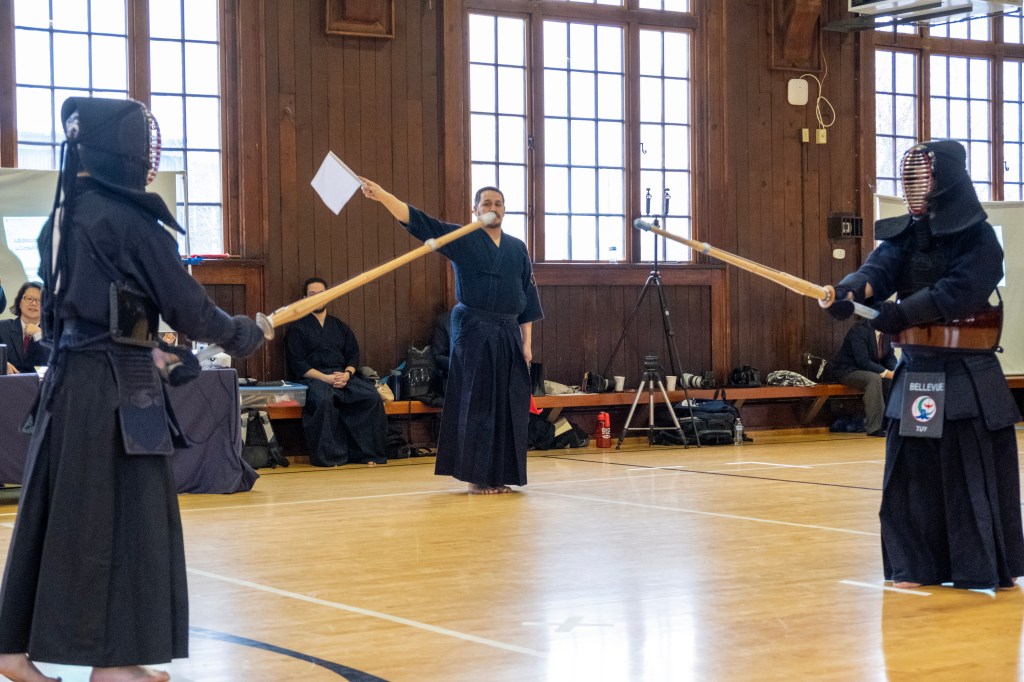
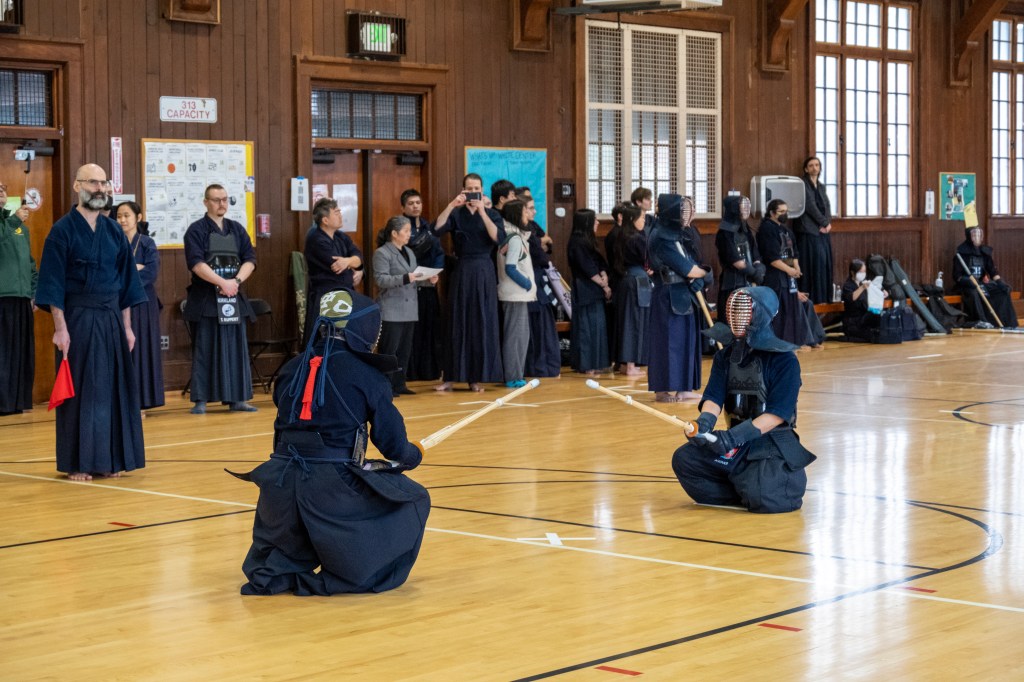

The Impact of a Kendo Sensei
The impact of a dedicated Kendo Sensei extends far beyond the confines of the dojo. The lessons learned under their guidance – discipline, focus, respect, and perseverance – permeate into their students’ daily lives, shaping them into more well-rounded and resilient individuals. They teach Kenshis that the true opponent in Kendo is often the practitioners themselves – the doubts, fears, limitations. And it is through the Sensei’s unwavering guidance and belief in their potential that they learn to overcome these obstacles and strive for continuous self-improvement and discipline.
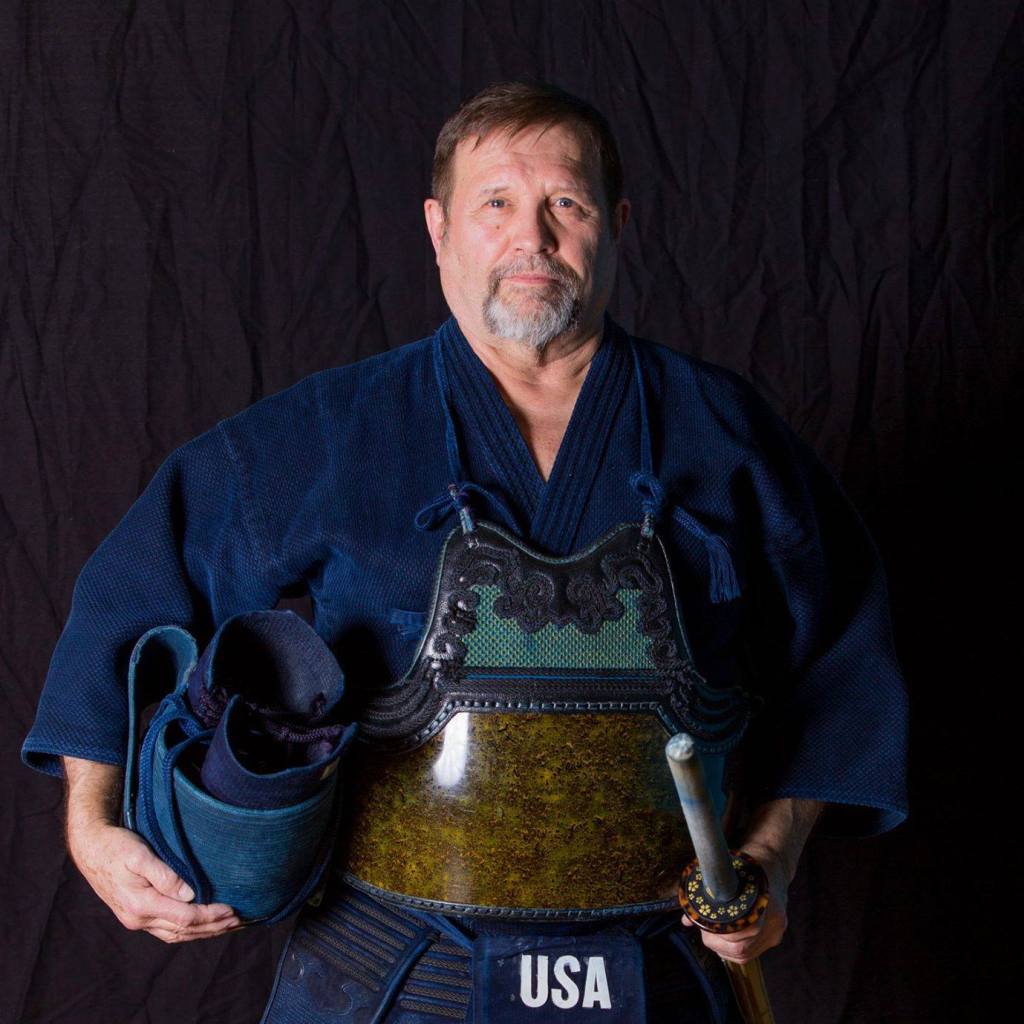
Thank you to Sensei Jeff Marsten: There is one Sensei in particular that has embodied the true spirit of Kendo. With over 50 years of experience in Kendo, Jeff Marsten is a 7th degree Dan that established the oldest college Kendo club in the United States at the University of Washington along with 4 other students. Jeff started learning about Kendo when he was a student at the University on the GI Bill after completing his naval submarine service. He has taken 14 trips to Japan to train and be taught by some of the best Kendo instructors and practitioners in the world. He then founded Highline Kendo Kai in 1976 housed at the White Center Fieldhouse. Along with founding clubs in Bellevue, Sno-King & Everett in 1989, 2002 and 2003 respectively.
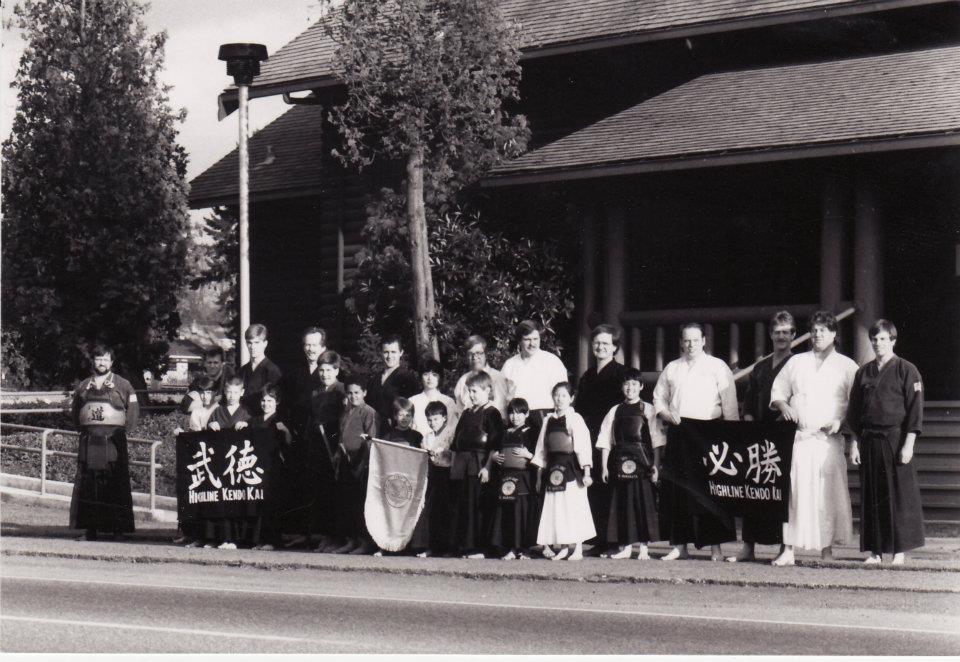
Highline Kendo Club Fun Fact: the Highline Kendo club has one of the best record of competition of any club in the PNKF (Pacific Northwest Kendo Federation). Jeff’s resume also includes a number of awards and honors. He was granted the title of Kyoshi by the All United States Kendo Federation in 2003. He has served as president of the AUSKF for six years, as well as vice-president of the organization for another three years. His coaching career includes coaching multiple teams, including the PNKF Head Coach for the AUSKF National championships when his daughters also became interested in Kendo at the competitive level. Another Fun Fact: He established the first all-women’s kendo tournament in 2001 in the US. It’s held every 3 years and this is one of those years: www.womenskendo.com
Honoring 50+ years of service: Jeff is now retiring after a long and distinguished Kendo career, including 50+ years as an instructor for King County Parks. His proudest moments in his tenure as a Kendo instructor is the development of his students and children as he emphasizes success in Kendo is being truly devoted and setting goals while continuously working towards them. He has changed countless lives through his teachings and is a testament to the dedication and appreciation required for Kendo. Kendo is not for the faint of heart, and Jeff encourages people interested in learning to observe a practice to learn the intricacies. He leaves the program to his daughter Elizabeth who he’s happy to see continue. The first thing he says he attending to in retirement is yard work and home tasks.

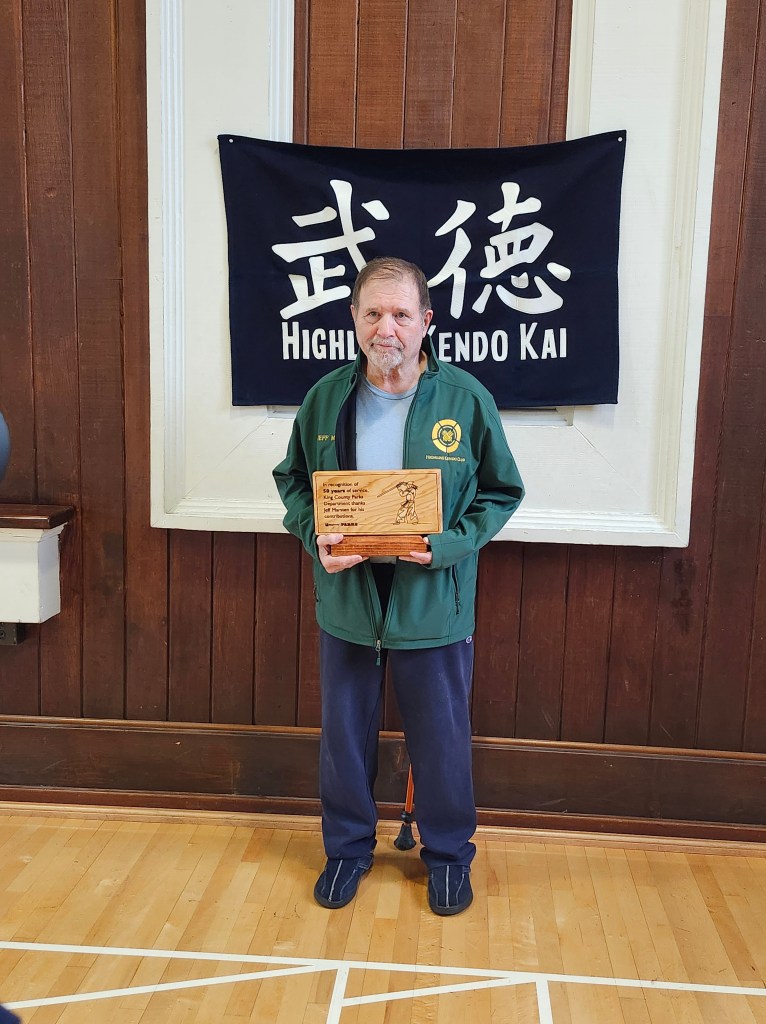
“In recognition of 50 years of service, King County Parks Department thanks Jeff Marsten for his contributions.”
Sensai Jeff Marsten and the Kendo program he built have both been a fixture at the Fieldhouse, never once having missed a quarter of instruction in 50 years. We thank him for his time, his leadership and passion for the art of kendo and sharing it with the White Center community.
The Journey Awaits: Kendo is more than just a sport or a martial art; it’s a journey of continuous learning and self-improvement. It’s about pushing your limits, both physically and mentally, and discovering a deeper understanding of yourself. If you’re in Seattle or anywhere else in the world and curious about Kendo, please come learn more about the current classes hosted at the WC Fieldhouse at Steve Cox Memorial Park. Additional info available by email at learnkendo@gmail.com
 White Center Teen Program
Leave a comment